



The gaming industry has seen transformative changes in recent years, with 'sabong online' emerging as a prominent player in digital gaming dynamics. As we approach the year 2025, the traditional pastime of cockfighting, a beloved sport in Southeast Asia, has transitioned into the digital world, offering a new avenue for enthusiasts worldwide.
Sabong, or cockfighting, has a rich cultural history, particularly in countries like the Philippines where it has been a popular form of entertainment and sport for centuries. The move to online platforms has been part of a broader trend toward digital experiences which cater to global audiences, transcending geographical boundaries. This digital transformation has allowed sabong online to capture the attention of traditional players as well as new gamers intrigued by its unique proposition.
The rapid increase in technology and internet accessibility has greatly facilitated the growth of sabong online. With many people seeking opportunities for remote entertainment, digital sabong offers a combination of tradition and innovation. Players can partake in virtual cockfights, placing bets and engaging with communities in real-time, which mimics the physical experience while providing added convenience and broader reach.
This virtual engagement, however, has not been without controversy. Ethical debates surface regularly around the issues of animal rights, the legal status of online gambling, and the responsibilities of gaming companies to ensure safe and fair platforms. Policymakers in various regions are still grappling with how best to regulate this evolving industry, trying to balance cultural heritage with modern ethical standards.
Economically, the online gaming sector, including sabong, has been a booming industry, with significant market potential. It presents lucrative opportunities not only for game developers but also for content creators, influencers, and e-commerce platforms involved in promotion and sales. In 2025, industry analysts predict further growth in this sector, underpinned by technological advances and expanding consumer bases.
In conclusion, the ascension of sabong online within the gaming market reflects broader trends of digital adaptation, where traditional practices are reimagined in modern frameworks. While challenges persist, especially concerning regulation and ethical practices, the expansion of online sabong persists, heralding a new era for traditional sports in the digital age.
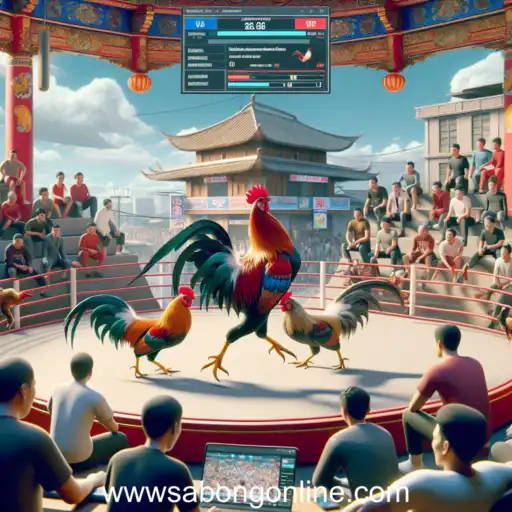
The evolution of the traditional Filipino game Sabong into the online gaming world and its cultural implications.

Exploring how traditional sabong has evolved into a digital form, merging cultural heritage with modern technology, and the impact on the gaming industry.

A deep dive into the digital transformation of Sabong, merging tradition with the modern world.

An in-depth look at the growing industry of online sabong, its challenges, and implications for regulation and animal welfare.

An exploration of how online sabong is reshaping the traditional game and its cultural dynamics in the modern era.

Exploring the dynamic world of Sabong Online, blending traditional cockfighting with modern digital sports.
